Real vs. Engineered: How Food Quality Shapes Your Sleep and Health
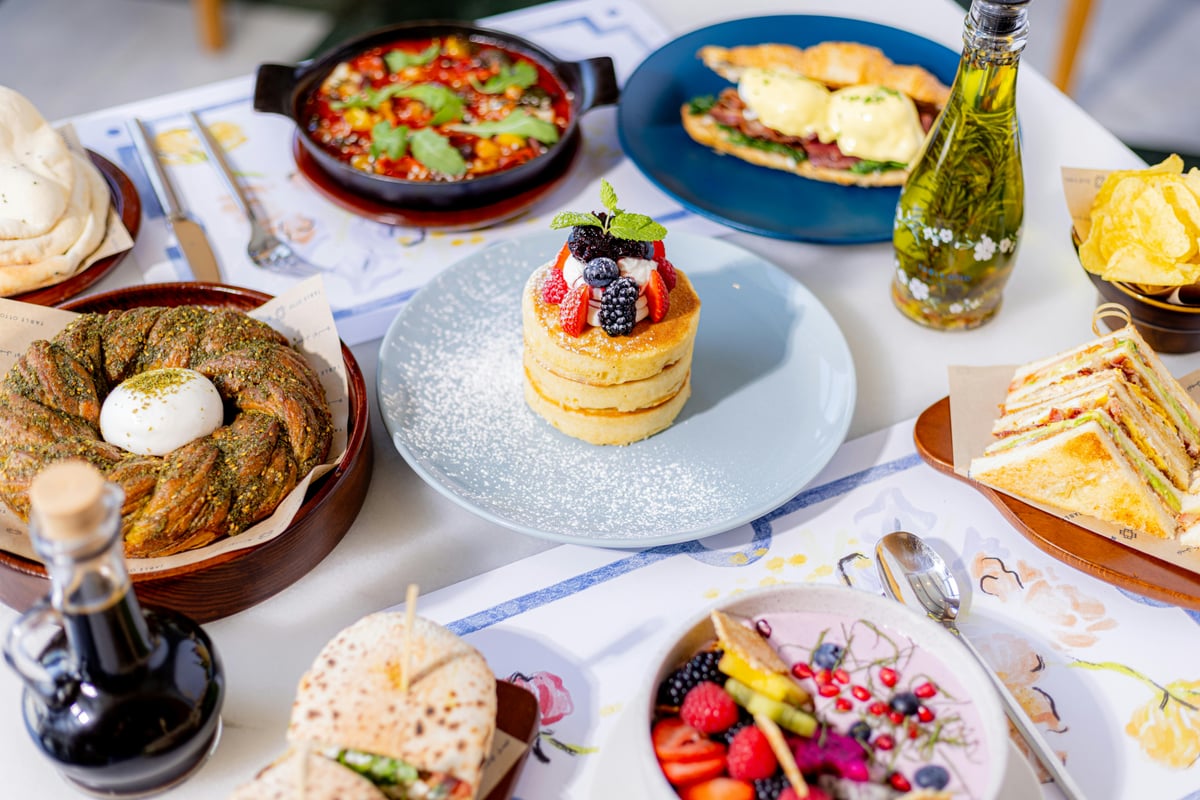
Food is not only fuel for the body; it is information for every cell. The nutrients we consume influence our hormones, brain chemistry, and even the rhythms of sleep. In recent years, however, a new type of food has entered the global conversation - bio-engineered foods, including cultured meat and 3D-printed meals. These are presented as sustainable, nutrient-rich, and futuristic alternatives to natural foods. But do they truly support health and quality sleep, or are they cleverly marketed illusions?
This blog explores the differences between natural and bio-engineered foods, their nutritional value, the role of marketing, and ultimately, how diet impacts sleep. Alongside food, restorative rest requires a sleep-friendly environment. Here, NadaUp mattresses - with their ergonomic support and cooling technology - help complete the picture of holistic health.
The Importance of Nutrients in Food
Nutrients - macronutrients like protein, fats, carbohydrates, and micronutrients like vitamins, minerals, and phytonutrients - are essential for every aspect of health. Sleep is deeply connected to nutrient intake:
Magnesium supports melatonin production, helping regulate circadian rhythms.
B vitamins are required for neurotransmitters such as serotonin, which influence sleep cycles.
Protein and fiber help maintain stable blood glucose, preventing nighttime awakenings.
Research consistently shows that diets rich in whole plant foods, lean proteins, and fermented products are associated with better sleep and reduced insomnia symptoms (1)(2). In contrast, diets heavy in ultra-processed foods - high in sugar and refined oils - are linked to poor sleep quality and higher levels of fatigue (3).
Are We Getting Enough Nutrients from Modern Food?
Despite abundant food availability, many populations face “hidden hunger” - micronutrient deficiencies caused by processed diets. Fresh fruits, vegetables, whole grains, and fermented foods provide a wide array of vitamins, minerals, and probiotics. However, global dietary patterns are shifting toward packaged, bar-coded products that often lack these essentials.
Some studies suggest little difference between organic and conventional produce in terms of macronutrient levels (4). But the real distinction lies in dietary diversity and freshness. Natural foods provide not only vitamins but also thousands of phytochemicals - antioxidants, polyphenols, and fibers - that cannot easily be replicated in a lab.
What Does Bio-Engineered Food Mean?
Bio-engineered foods include:
Cultured meat: Muscle cells grown in bioreactors using nutrient media. The first lab-grown beef burger appeared in 2013, costing €325,000 (5).
3D-printed foods: Plant or cell-based materials printed into steaks, bacon, or salmon fillets. Startups like Cocuus in Spain and Revo Foods in Austria have commercialized such products (6)(7).
Edible ink printing: Cakes or pastries with edible inks used for visual appeal (8).
These innovations aim to reduce animal farming, offer customizable nutrient profiles, and create futuristic eating experiences. But the question remains—are they as beneficial as real food for long-term health and restorative sleep?
How Artificial Nutrients Are Developed and Tested
To create cultured meat, scientists extract stem cells from animals and grow them in a nutrient-rich medium. Some experiments have even been conducted in microgravity aboard the International Space Station to optimize cell growth (9).
3D-printed foods rely on gels, vegetable pastes, or mycoproteins shaped by extrusion printers. Researchers focus on texture, stability, and nutrient enrichment. In labs, safety studies are carried out, though concerns remain about the long-term health impacts of consuming artificially structured foods.
Why Processed and Engineered Foods Are Popular
Several factors drive their popularity:
Marketing and branding: Influencers, social media campaigns, and futuristic narratives frame them as “superfoods.”
Medical endorsements: Some doctors and nutritionists highlight potential benefits, such as reduced saturated fats or customized nutrients.
Convenience: Processed foods are shelf-stable, portable, and require minimal cooking.
Yet, critics warn that lab-grown meat and printed meals may not be as environmentally sustainable as advertised. Studies suggest cultured meat could have higher carbon emissions than traditional beef due to energy-intensive processes (10). This contradiction highlights the difference between promotional promises and scientific reality.
Printed Fake Foods: A Threat to Real Food?
The media often suggests that in the near future, “real” food may be replaced entirely by engineered alternatives. While it is unlikely that tomatoes, cucumbers, or rice will disappear, the packaged food industry continues to expand.
However, printed foods are already entering specific markets. For example, nutrient-rich meals for patients with swallowing difficulties have been successfully 3D-printed using peas, yogurt, and olive oil (11).
This shows that while engineered foods may have targeted benefits, they cannot replicate the holistic nutrition of natural diets.
Effects of Bio-Engineered Foods on Sleep and Health
The relationship between diet and sleep is well established: natural diets high in fiber and antioxidants support circadian balance, while sugar-heavy processed foods disrupt it (1)(3).
Bio-engineered foods present uncertainties:
Lack of fiber and phytonutrients may impair gut health, which directly influences melatonin and serotonin production.
Artificial additives could increase inflammation, a known disruptor of deep sleep.
Over-processing may lead to glucose spikes, contributing to restless nights and daytime fatigue.
Until long-term studies are complete, caution is warranted. A future where children start their day with printed protein cubes instead of fresh fruit risks creating generations deprived of the natural synergy between diet and sleep.
The Case for Natural, Fermented, and Home-Cooked Foods
Natural foods - vegetables, fruits, legumes, whole grains - remain the cornerstone of good health and quality rest. Fermented foods such as yogurt, kefir, and kombucha nourish the gut microbiome, which plays a critical role in sleep regulation.
Consider a simple morning: instead of eating a packaged, printed meal, one consumes a cucumber, a tomato, and broccoli. The result is steady blood glucose, no mid-morning crashes, and improved mental clarity. Stable energy levels prevent cortisol spikes and prepare the body for restorative sleep at night.
Slow cooking, exposure to sunlight, and fresh air during food preparation enhance not only the flavor but also the body’s natural connection to nourishment.
Sleep, Food, and the Role of NadaUp Mattresses
Quality sleep depends not only on diet but also on the environment where we rest. NadaUp mattresses - designed with Mammoth Medical Grade™ foam - promote deep, restorative sleep by providing spinal support, reducing motion transfer, and regulating temperature.
When paired with a natural diet, the result is holistic well-being: reduced stress, improved hormonal balance, and better emotional resilience. Just as food nourishes the body, a supportive mattress nourishes sleep, allowing nutrients to translate into vitality and health.
Conclusion
The rise of bio-engineered and printed foods invites us to question the very definition of nourishment. While technology promises convenience and novelty, the absence of natural fibers, phytochemicals, and holistic nutrition casts doubt on their ability to sustain health and quality sleep.
Real food - grown in soil, ripened under sunlight, and prepared with care - remains unmatched in supporting circadian balance, emotional health, and deep rest. Before we trade cucumbers for printed cubes, we must remember that health is not engineered in a lab but cultivated through nature’s wisdom, mindful eating, and restorative sleep on a mattress designed for true recovery.
References
-
St-Onge, M. P., et al. (2016). Sleep and nutrition: A review of the literature. Nutrients, 8(12), 816. https://doi.org/10.3390/nu8120816
-
Peuhkuri, K., Sihvola, N., & Korpela, R. (2012). Diet promotes sleep duration and quality. Nutrition Research, 32(5), 309–319. https://doi.org/10.1016/j.nutres.2012.03.009
-
Dashti, H. S., et al. (2021). Diet quality and sleep disorders in adults. Sleep Health, 7(1), 29–36. https://doi.org/10.1016/j.jsm.2020.06.005
-
Smith-Spangler, C., et al. (2012). Are organic foods safer or healthier than conventional alternatives? Annals of Internal Medicine, 157(5), 348–366. https://doi.org/10.7326/0003-4819-157-5-201209040-00007
-
Post, M. J. (2012). Cultured meat from stem cells: Challenges and prospects. Meat Science, 92(3), 297–301. https://doi.org/10.1016/j.meatsci.2012.04.008
-
Vidal, J. (2024). ‘Our imitation is total’: The Spanish startup on a quest to 3D-print steaks. The Guardian. https://www.theguardian.com/world/2024/feb/11/spanish-startup-cocuus-pamplona-quest