Six Pillars of Health: How Nature, Lifestyle, and Sleep Build Your Best Self
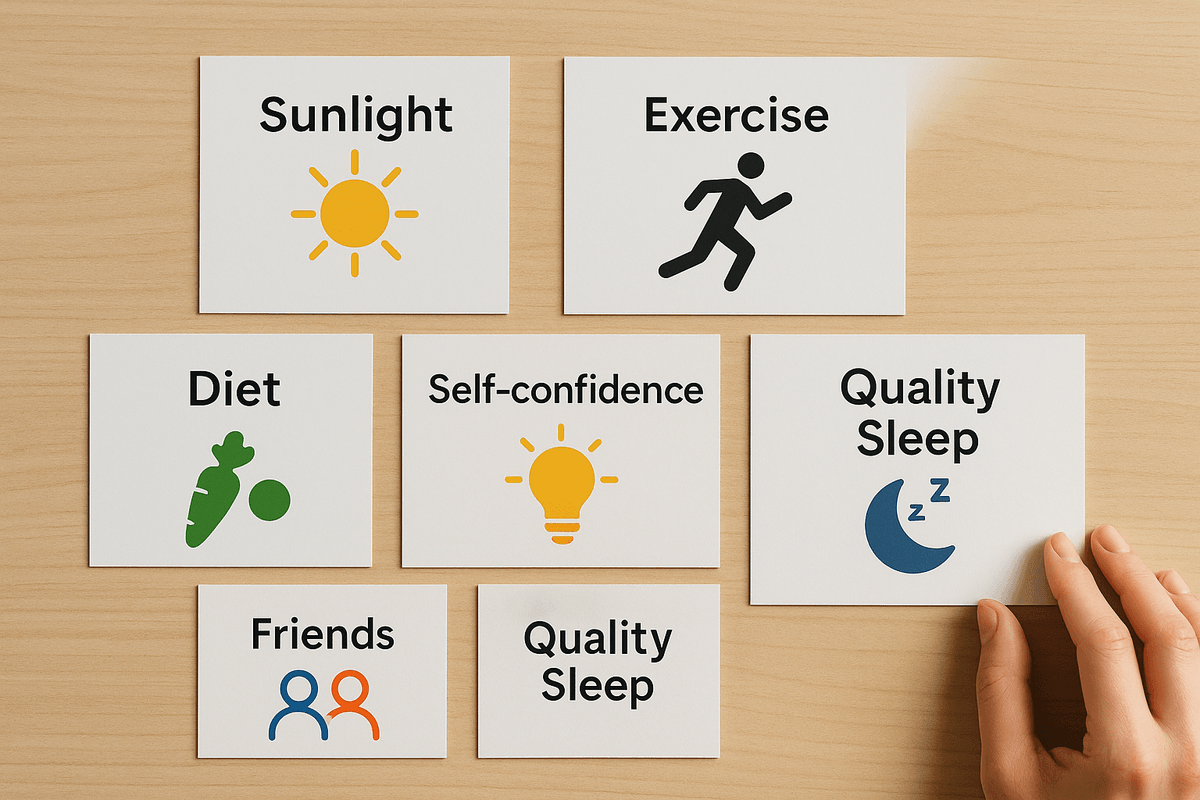
Health and happiness are never achieved by a single factor. They are built on a foundation of small, everyday choices and natural allies that support our physical, emotional, and spiritual balance. If you observe closely, six “best friends” walk with us every step of life: sunlight, exercise, diet, self-confidence, friends, and quality sleep. These companions are not luxuries; they are necessities for survival, growth, and fulfillment. Just like a tree needs water, soil, and sunlight to flourish, humans need these six foundations to thrive. Let’s explore each one, understand its benefits, and learn how to cultivate them in daily life.
Sunlight: Nature’s Vitamin
Sunlight is one of the most fundamental sources of life. Beyond providing warmth and light, it fuels our biology in ways modern science continues to uncover. Exposure to morning sunlight helps regulate circadian rhythms, improves mood, and stimulates the body’s production of vitamin D - a nutrient essential for bone health, immunity, and recovery.
Yet in today’s urban lifestyle, many people spend most of their day indoors, leading to widespread vitamin D deficiency. Research shows that insufficient vitamin D is linked to depression, fatigue, and increased risk of chronic illnesses (Holick, 2007).
Tips to Embrace Sunlight
-
Step outside for at least 15–30 minutes during early morning hours.
-
Allow natural sunlight to touch your skin without sunscreen for short intervals.
-
If living in regions with little sunlight, consider vitamin D–rich foods like fatty fish and fortified cereals.
When you start your day with sunlight, your body’s inner clock resets, and your energy levels rise naturally. It’s like shaking hands with your first friend every morning.
Exercise: The Moving Medicine
If sunlight wakes you up, exercise keeps you alive and strong. Movement is more than a fitness trend - it is medicine for the body and mind. Exercise improves cardiovascular health, enhances flexibility, and prevents lifestyle diseases like diabetes and obesity. Beyond physical benefits, it releases endorphins, which act as natural mood elevators.
Modern life, however, often chains people to desks. But even in a hectic schedule, exercise doesn’t need to be elaborate. Research suggests that just 30 minutes of moderate activity, five times a week, is enough to improve health (Warburton & Bredin, 2017).
Tips to Stay Active
-
Start small: a brisk 15-minute walk after lunch or dinner.
-
Choose enjoyable activities like dancing, yoga, or cycling.
-
Use daily routines - climb stairs instead of elevators, stretch at work, or stand during phone calls.
Exercise is like a loyal friend who reminds you to move forward, even when life feels heavy.
Diet: Food as Your Silent Partner
What you eat becomes what you are. Diet is the fuel that powers your six friends and determines how efficiently your body runs. A balanced diet rich in whole grains, vegetables, lean proteins, fruits, and healthy fats supports better health and sleep.
Certain dietary habits also influence sleep quality. Heavy meals close to bedtime disrupt digestion, while caffeine and alcohol late in the evening disturb deep sleep cycles (St-Onge et al., 2016).
Tips for a Healthier Diet
-
Eat your last meal at least 2–3 hours before bedtime.
-
Avoid caffeine after 3 p.m. to prevent interference with melatonin production.
-
Choose foods like almonds, bananas, and chamomile tea that naturally support relaxation.
Diet is like a quiet friend: it doesn’t speak but deeply influences how you feel. When you feed your body right, it thanks you with energy, focus, and calm.
Self-Confidence: The Friend Within
Unlike the other companions, self-confidence is invisible, yet it is one of the most powerful allies in life. Confidence is the belief in one’s own abilities, and it shapes how we approach challenges, relationships, and opportunities.
A confident mind replaces fear with action, doubt with learning, and failure with resilience. Psychologists note that self-confidence not only enhances mental health but also helps break destructive habits and build positive ones (Bandura, 1997).
Tips to Cultivate Confidence
-
Practice self-affirmations daily.
-
Focus on strengths instead of weaknesses.
-
Embrace mistakes as part of growth, instead of fearing them.
Self-confidence is like an inner friend who whispers, “You can.” When nurtured, it transforms the way you live and sleep, allowing you to rest peacefully without the burden of self-doubt.
Friends: The Power of Social Connection
Humans are social beings. Genuine friendships provide emotional support, companionship, and a sense of belonging. Talking with a friend about problems - even when solutions are not immediate - helps release stress and improve resilience.
Studies confirm that strong social ties enhance longevity, reduce the risk of depression, and even improve immune function (Umberson & Montez, 2010). On the other hand, loneliness is increasingly recognized as a major public health concern.
Tips to Strengthen Friendships
-
Make time for regular conversations, even short ones.
-
Be present and listen actively when friends share.
-
Offer support without judgment.
Friends are like mirrors: they help you see yourself clearly, and when life gets tough, they remind you that you are not alone.
Quality Sleep: The Foundation of Health
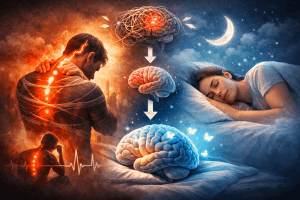
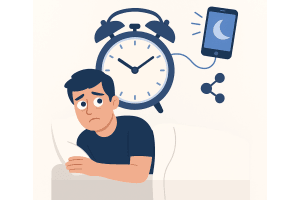
Finally, the most loyal friend of all - sleep. Quality sleep restores energy, balances hormones, strengthens immunity, and repairs the body at the cellular level. Chronic lack of sleep, however, is linked to obesity, heart disease, depression, and decreased cognitive function (Walker, 2017).
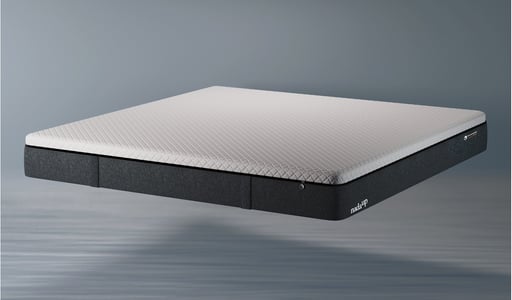
Many people struggle to achieve deep, restorative sleep because of poor mattresses, stress, or irregular schedules. A supportive sleep environment makes a profound difference. This is where the NadaUp mattress plays its role.
Designed with medical-grade foam, NadaUp mattresses improve posture, reduce pressure points, regulate body temperature, and promote deeper rest. Tests by Northumbria University showed that users fell asleep 29% faster and experienced 7% better sleep efficiency - benefits that add up to years of healthier living.
Tips for Better Sleep
-
Maintain a regular sleep schedule.
-
Keep your bedroom dark, cool, and quiet.
-
Invest in a mattress that aligns with your body and supports your spine.
When you sleep well, you wake up with more energy to enjoy all your other five friends. Sleep is the glue that binds the other pillars into harmony.
Conclusion: Walking with Six Friends
Imagine a day when you wake up with sunlight on your skin, move your body with joy, eat nourishing meals, carry yourself with confidence, share a laugh with a friend, and end the night with deep, restorative sleep. That is not an unreachable dream - it is a balanced lifestyle built on six best friends who stand by you daily.
Together, these companions strengthen your body, mind, and soul. By cultivating them, you do not just live longer - you live better.
References
-
Bandura, A. (1997). Self-efficacy: The exercise of control. New York: W.H. Freeman.
-
Holick, M. F. (2007). Vitamin D deficiency. New England Journal of Medicine, 357(3), 266–281. https://doi.org/10.1056/NEJMra070553
-
St-Onge, M. P., Mikic, A., & Pietrolungo, C. E. (2016). Effects of diet on sleep quality. Advances in Nutrition, 7(5), 938–949. https://doi.org/10.3945/an.116.012336
-
Umberson, D., & Montez, J. K. (2010). Social relationships and health: A flashpoint for health policy. Journal of Health and Social Behavior, 51(1_suppl), S54–S66. https://doi.org/10.1177/0022146510383501
-
Walker, M. (2017). Why we sleep: Unlocking the power of sleep and dreams. Scribner.
-
Warburton, D. E., & Bredin, S. S. (2017). Health benefits of physical activity: A systematic review of current systematic reviews. Current Opinion in Cardiology, 32(5), 541–556. https://doi.org/10.1097/HCO.0000000000000437
-
NadaUp. (2024). Every Night Matters – Mattress Benefits and Clinical Tests. Internal report.