The Body’s Internal Clock: How Circadian Rhythm Powers Your Immune System
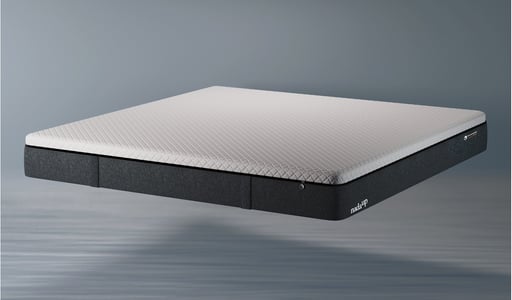
Every moment of the day, your body is following a hidden rhythm - a biological clock that orchestrates many of your internal processes: sleep, hormone release, metabolism, cell repair, immune activity, and more. This circadian rhythm keeps you in tune with day and night, guiding when you feel alert, when you feel tired, and even how your immune system responds to threats. In this article, we explore what circadian rhythm and immunity are, how they function, why maintaining them is crucial, what happens when they are disrupted, and how sleep strengthens your body’s defenses. We will also gently tie in how a good mattress (like the NadaUp mattress) supports these processes.
What Are Circadian Rhythm and Immunity?
Circadian Rhythm
Circadian rhythm refers to the near-24-hour cycles in physiology and behavior innate to living organisms. These rhythms are generated by “clock genes” inside cells, synchronized by a central pacemaker in the brain known as the suprachiasmatic nucleus (SCN). Environmental cues such as light, temperature, and activity help align these rhythms [1].
They regulate sleep–wake cycles, hormone release (cortisol, melatonin), body temperature, metabolism, cell regeneration, and immune functions [2].
Immunity
Immunity is the body’s ability to defend against harmful pathogens. It consists of two arms:
-
Innate immunity – the first, non-specific defense (skin barriers, macrophages, neutrophils).
-
Adaptive immunity – the specific defense (T cells, B cells, antibodies), which develops memory against pathogens.
Immunity protects us from infections, helps healing, prevents disease development, and keeps internal balance [3].
How Circadian Rhythm Affects the Human Body and Immunity
Molecular & Cellular Clocks
-
Immune cells themselves carry internal clocks. Their activity, migration, and cytokine release vary with time of day [4].
Timing of Immune Responses
-
The number of certain immune cells in blood changes by time of day.
-
Cytokine release (messenger molecules) fluctuates.
-
Studies even show that the time of day you receive a vaccine can influence how strong the antibody response will be [5].
Interaction with Sleep
-
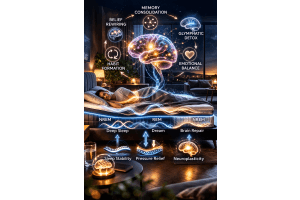
Sleep consolidates circadian rhythms. Deep sleep stages enhance immune cell communication and repair, while poor sleep weakens these responses [6].
Factors Influencing the Circadian Rhythm
-
Light Exposure: Morning light strengthens circadian signals; artificial blue light at night delays them [7].
-
Sleep Schedule: Consistency stabilizes rhythm; irregularity disrupts it.
-
Meal Timing: Eating late interferes with peripheral clocks in liver and gut.
-
Physical Activity: Daytime exercise reinforces rhythm.
-
Age & Genetics: Chronotype (morning/evening type) and age influence circadian strength [8].
Consequences of Disruption
When circadian rhythms are disrupted by shift work, jet lag, or irregular sleep:
-
Immune defense weakens, increasing infection risk [9].
-
Vaccine effectiveness can drop.
-
Chronic low-grade inflammation develops, linked to heart disease and diabetes [10].
-
Hormonal imbalances disturb sleep and recovery.
-
Risks of obesity, depression, and even cancer increase [11].
How to Maintain a Healthy Circadian Rhythm
-
Sleep and wake at consistent times.
-
Expose yourself to daylight in the morning, avoid bright screens late at night.
-
Eat meals at regular hours, avoid heavy late dinners.
-
Exercise during the day or early evening.
-
Keep your bedroom cool, dark, and quiet.
-
Manage stress and reduce caffeine or alcohol before bed.
Correlation: Sleep → Circadian Rhythm → Immunity
-
Quality sleep aligns circadian clocks.
-
Aligned rhythms optimize immune responses.
-
Deep sleep stages boost antibody production and immune memory.
Brief Overview of Immunity & Sleep’s Role
During sleep, the body increases protective cytokines and immune memory. Sleep deprivation reduces these and heightens inflammation. Studies show poor sleep after vaccination results in weaker antibody responses [5].
Good sleep strengthens both innate and adaptive immunity, lowers risk of infection, and speeds recovery [6].
Example (General)
Imagine two people:
-
Person A goes to bed at the same time, avoids screens before sleep, eats dinner early, and exercises in the morning. Their circadian rhythm is aligned, and their immune system works at full strength.
-
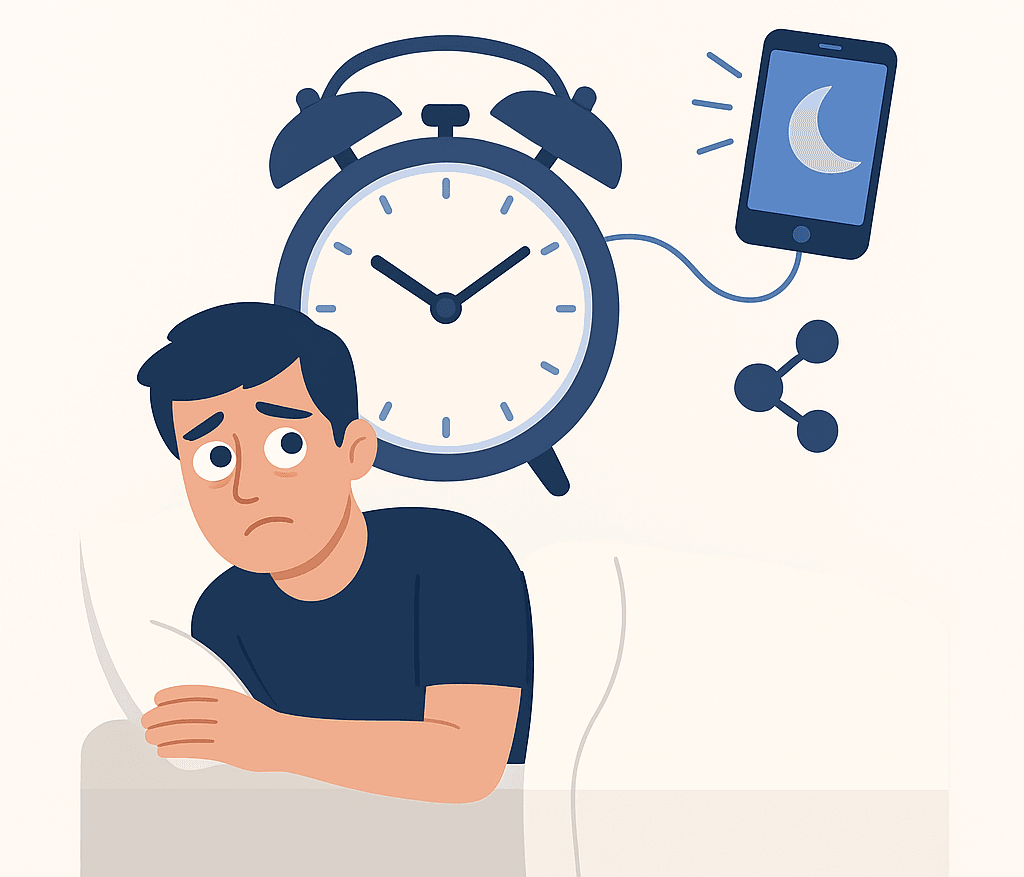
Person B sleeps at irregular hours, eats late at night, and uses their phone in bed. Their circadian rhythm is disrupted, and their immune system is weaker, making them more prone to infections.
How NadaUp Mattress Supports Sleep and Immunity
NadaUp mattresses provide:
-
Pressure Relief & Spinal Support – reducing micro-awakenings and enabling deeper rest.
-
Motion Isolation – minimizing disturbances from a partner’s movements.
-
Cooling & Breathability – maintaining optimal sleep temperature, which reinforces circadian temperature cycles.
-
Ergonomic Support – reducing discomfort, allowing longer, uninterrupted sleep.
By ensuring higher-quality sleep, NadaUp mattresses support circadian rhythm alignment and, in turn, immunity [12].
Books & Research Sources
Books
-
Circadian Clocks: Role in Health and Disease (Editor: Michelle L. Gumz).
-
Circadian Rhythms, Sleep and Inflammation (Springer, 2023).
-
Internal Time by Till Roenneberg.
References
-
Haspel, J. A., et al. (2020). Perfect timing: Circadian rhythms, sleep, and immunity. JCI Insight, 5(1), e131487.
-
SpringerLink. (2023). Circadian Rhythms, Sleep and Inflammation.
-
RSC Books. Clock Proteins and Circadian Rhythms in Immunity.
-
Anafi, R., et al. (2020). NIH Workshop on circadian biology. JCI Insight.
-
Vaccines Journal. (2025). How Timing Matters: Circadian and Sleep Factors in Vaccine Responses. MDPI Vaccines, 13(8), 845.
-
ScienceDirect. (2023). Sleep and circadian biology.
-
The Lancet. (2022). Circadian disruption and disease risk.
-
Roenneberg, T. (2012). Internal Time: Chronotypes, Social Jet Lag, and Why You’re So Tired.
-
Washington University Open Access. (2020). Circadian misalignment and immune response.
-
SpringerLink. (2023). Inflammation and circadian misalignment.
-
The Lancet. (2022). Health effects of circadian disruption.
-
NadaUp Mattress Report. (2024). Clinical testing of NadaUp mattress benefits.