Sleep and Empathy: How Rest Improves Your Ability to Understand Others

In today’s fast-paced world, people often feel trapped by ego, anger, lust, greed, and attachment - negative tendencies that hinder empathy, deep listening, and connection. Rooted in both Hindu and Sikh teachings, these tendencies can erode compassion and understanding. Yet there is hope: quality sleep - enhanced subtly by a supportive mattress like the NadaUp - can help calm these impulses and nurture a more empathetic, attentive, and compassionate self.
Understanding the Five Tendencies (with Respect to Hinduism and Sikhism)
1. Ego (Ahamkāra)
-
In Hindu philosophy, ahamkāra is the false sense of self that separates us from the unity of all.
-
In Sikhism, ego (haumai) is considered the primary obstacle to spiritual awareness and compassion.
2. Anger (Krodh/Kor)
-
Hindu scriptures warn that anger clouds discernment and leads away from inner peace.
-
Sikh teaching highlights krodh as one of the "Five Thieves" that disrupt love and empathy.
3. Lust (Kāma/Kaam)
-
In Hindu texts, kāma refers to unchecked desire that distracts from deeper fulfillment.
-
Sikhism similarly sees kaam as a force that can dominate the mind and impede spiritual clarity.
4. Greed (Lobh/Lobh)
-
Lobh in Hinduism is a craving that fuels attachment to the material world.
-
Sikhism identifies lobh as a thief of contentment and empathy.
5. Attachment (Moha/Moh)
-
Hindu traditions emphasize non-attachment (avadāna) as a path to freedom.
-
Sikhism considers moha a barrier to seeing the divine in all and acting with openness.
Why Empathy, Listening, and Calm-Mindedness Matter
-
Empathy bridges understanding. Both cognitive (understanding others’ viewpoints) and affective empathy (feeling with others) underpin meaningful relationships.
-
Listening with a calm mind creates space for genuine connection and reduces reactionary tendencies.
-
Cultivating empathy counters divisions created by these tendencies - ego shrinks, anger is contained, desires stabilized.
How Quality Sleep Supports These Capacities
Findings from Scientific Research:
-
Sleep restriction reduces both cognitive and affective empathy. A pre-registered experimental study found that even modest sleep curtailment diminished individuals’ ability to accurately recognize emotions and feel concern for others (Krizan & Miller, 2025) SpringerLink+15Oxford Academic+15worldwidejournals.com+15ScienceDirect+1.
-
Poor sleep causally impairs empathic responses. Studies demonstrate that inadequate rest blunt emotional responses to others’ suffering ScienceDirect.
-
Sleep deprivation hinders emotional empathy broadly, including in professional caregivers Cambridge University Press & Assessment+15SpringerLink+15Wiley Online Library+15.
-
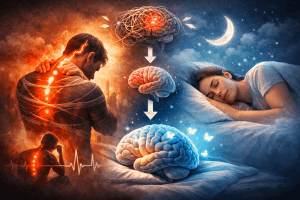
Sleep supports emotional processing and regulation. Sleep deprivation increases reactivity to negative stimuli, amplifies impulsivity, and impairs recognizing emotions Wikipedia+3Wikipedia+3ScienceDirect+3.
-
Disrupted sleep aggrieves social relationships. Among college students, lack of sleep correlates with hostility, impaired conflict resolution, and reduced empathy sleephealthjournal.org+15Wikipedia+15ScienceDirect+15.
These findings show that rest isn't just physical - it sustains our emotional and social intelligence.
Subtle Role of the NadaUp Mattress
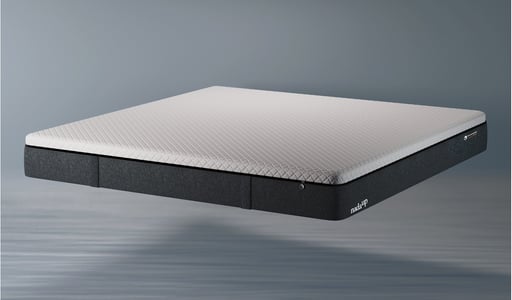
NadaUp’s orthopedic medical mattress offers pressure relief, spinal support, and cooling comfort. As an MHRA‑approved, clinically tested ergonomic sleep mattress endorsed by physiotherapy bodies, it enhances sleep quality. By facilitating restorative rest, a NadaUp mattress can help calm ego, reduce irritability, and sharpen the ability to listen with compassion - including moments when anger, attachment, or desire arise.
Practical Suggestions for Calming Negative Tendencies
-
Prioritize sufficient, quality sleep - 7–9 hours nightly, or consistent restorative naps.
-
Develop sleep-friendly habits: dim lighting before bed, quiet routines, cool bedroom.
-
Use NadaUp mattress to support pressure-free, restful sleep - especially crucial for spinal comfort and maintaining calm.
-
Mindfulness before bed: gently observe emotions like ego or desire, release them before sleep.
-
Daily reflection: upon waking, set the intention to approach others with empathy and openness.
-
Active listening practice: sleep well so you can truly hear others - not react from fatigue or ego.
Generalized Example
Imagine two people: One sleeps poorly and wakes irritable, easily reactive - anger flares at minor missteps. Self‑centered thoughts (ego) take hold. The other sleeps on a supportive NadaUp mattress, rests deeply, and wakes serene; they listen with patience, understand frustration rather than mirror it, and respond with empathy. Quality sleep supports the listener's calm mind - freeing them from greed, attachment, lust, and ego-driven reactions.
Recommended Books and Research Papers
Books:
-
Walker, M. P. (2009). The Role of Sleep in Cognition and Emotion. [as cited and summarised in Ellenbogen et al., 2007 memory study] Wikipedia+3Wikipedia+3TIME+3.
-
Winter, W. C. The Sleep Solution – explores how sleep supports emotional resilience and relationship harmony TIME.
Research Papers (APA citations):
-
Krizan, Z., & Miller, A. (2025). Evaluating the causal impact of sleep restriction on cognitive and affective empathy. Sleep, 48(Supplement_1), A89. https://doi.org/10.1093/sleep/zsaf090.0198 Oxford Academic+1.
-
Guadagni, V., Cook, E., Hart, C., Burles, F., & Iaria, G. (2018). Poor sleep quality affects empathic responses in experienced paramedics. Sleep and Biological Rhythms, 16, 365–368. ScienceDirect+15SpringerLink+15ResearchGate+15.
-
Van der Helm, E., Gujar, N., & Walker, M. P. (2010). Sleep deprivation impairs the accurate recognition of human emotions. Sleep, 33(3). Wikipedia+1.
-
Minkel, J. R., Htaik, O., Banks, S., & Dinges, D. F. (2011). Emotional expressiveness in sleep-deprived healthy adults. Behavioral Sleep Medicine, 9(1), 5–14. Wikipedia.
-
Psychological health overview: “Sleep and mental health: 8 findings” (Mager, 2024). Psychology Today. Psychology Today.
Conclusion
Sleep is not just rest - it is the quiet ally that soothes the ego, tempers anger, cools lust and greed, and loosens attachment. In offering compassionate listening, empathy, and a calm mind, quality sleep - promoted by a supportive sleep surface like NadaUp - becomes a vital first step toward a more understanding, connected, and balanced life.
References
-
Krizan, Z., & Miller, A. (2025). Evaluating the causal impact of sleep restriction on cognitive and affective empathy. Sleep, 48(Supplement_1), A89.
-
Guadagni, V., Cook, E., Hart, C., Burles, F., & Iaria, G. (2018). Poor sleep quality affects empathic responses in experienced paramedics. Sleep and Biological Rhythms, 16, 365–368.
-
Van der Helm, E., Gujar, N., & Walker, M. P. (2010). Sleep deprivation impairs the accurate recognition of human emotions. Sleep, 33(3).
-
Minkel, J. R., Htaik, O., Banks, S., & Dinges, D. F. (2011). Emotional expressiveness in sleep-deprived healthy adults. Behavioral Sleep Medicine, 9(1), 5–14.
-
Mager, D. (2024, March 27). Sleep and Mental Health: 8 Findings and 7 Recommendations. Psychology Today.
-
Ellenbogen, J. M., et al. (2007), as cited in Walker, M. P. (2009). The Role of Sleep in Cognition and Emotion.