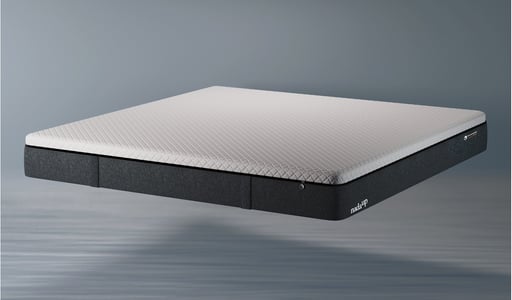
Vāstu, Feng Shui, and Biophilia: Designing a Serenity-Infused Bedroom
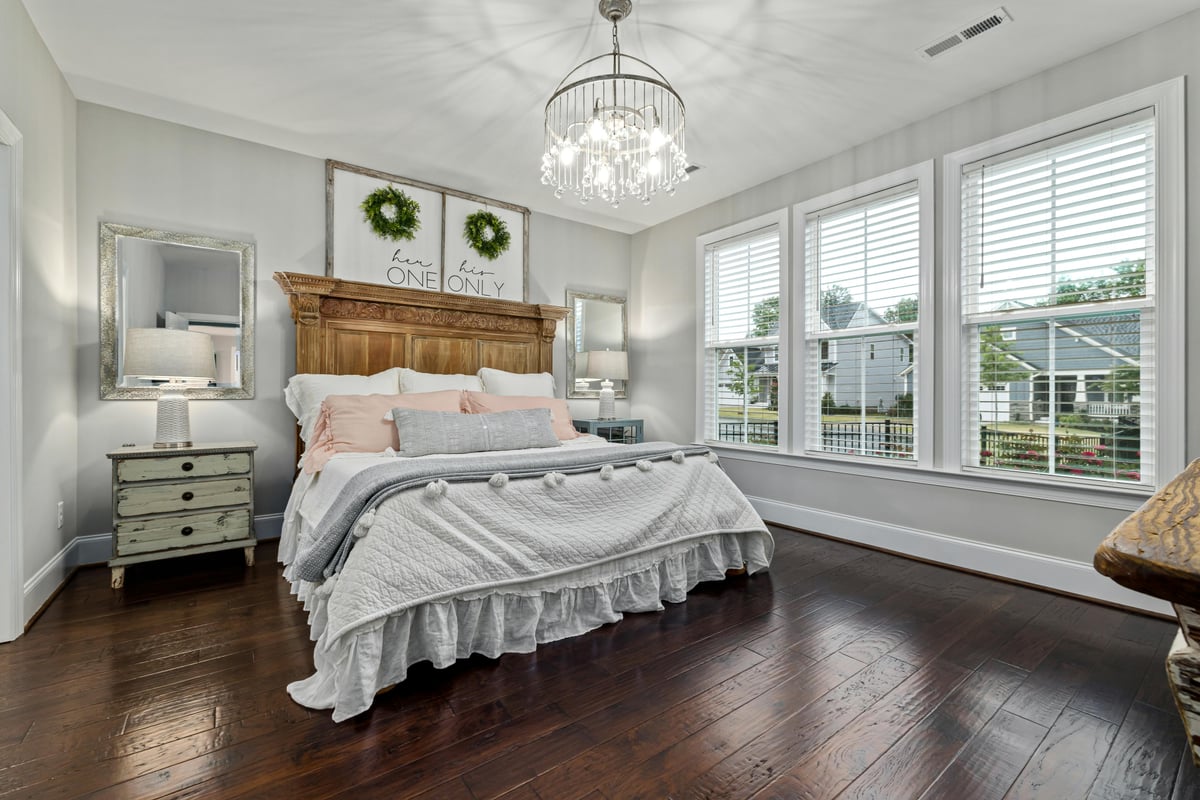
We all yearn for peaceful rest, and the design of our sleeping space can significantly influence how well we sleep. Biophilic design - a practice where natural elements and aesthetics are brought into the built environment - has been shown to reduce stress, regulate the nervous system, and promote restorative sleep. When combined with ancient cultural systems like Vāstuśāstra from India and Feng Shui from China, such design can become profoundly soothing. This blog explores how to design a bedroom that soothes your mind and body. We’ll interlace insights from Sleep Smarter by Shawn Stevenson, I Can Make You Sleep by Paul McKenna, scientific research, and, of course, mention how NadaUp’s supportive, breathable, pressure - relieving mattress complements all of this - creating a truly restorative sleep sanctuary.
Biophilic Design Principles for Bedrooms
Biophilic bedroom design invites natural materials, light, greenery, and sensory textures. Such elements support the nervous system by anchoring us in calmness.
a. Use of Natural Materials
-
Incorporate wood, stone, cotton, linen, natural fibers. Their textures engage your senses subtly - a tactile path to relaxation.
-
NadaUp’s mattress, made with breathable, pressure - relieving materials that keep you cool, echoes this natural synergy - supporting both physiological comfort and sensory calm.
b. Light and Air
-
Prioritize natural daylight during the day, and dim, warm - toned lighting at night. Shawn Stevenson emphasizes the importance of low - wattage warm lights in Sleep Smarter to support circadian rhythm.
-
Paul McKenna, in I Can Make You Sleep, encourages the creation of a safe, comforting pre - sleep environment - lighting plays a key role.
c. Greenery & Nature Views
-
A plant or two (like a peace lily or small fern) not only purifies the air; it also subtly invites calm.
-
Even a small view: a painting of nature, or a natural - pattern textile, can deliver similar benefits when real views aren’t possible.
Vāstuśāstra: Placement & Energies
Vāstuśāstra offers guidelines grounded in harmonizing energies through orientation, layout, and placement.
-
Bed Placement: Ideally, place your bed along the southern or western wall, with your head pointing either south or east. Traditional Vāstu suggests avoiding the head pointing north, due to the notion that the magnetic pull of the north could disturb sleep - though the magnetic force is slight scientifically, the underlying idea is about respecting energetic flow.
-
Entrance Location: Doors leading into the bedroom are best positioned in the north or east wall, so that energy gently enters the space.
-
Windows and Light: East - facing windows invite the morning sun - boosting alertness at waking and aligning with circadian rhythms.
-
Art & Images: Place calming, nature - themed images on the east or north walls; avoid aggressive or dark imagery that may disturb.
Example (generalized): Picture a bedroom where the head of the bed rests against the southern wall, head pointing east. Sunlight floods in gently from the east window. Across, on the north wall, a serene watercolor of misty trees brings tranquil energy in. A NadaUp mattress lies on the bedframe - its pressure - relieving and cooling design helping the sleeper align body comfort with this energy - balanced layout.
Feng Shui: Flow, Balance, and Sleep Quality
Feng Shui shares many similarities with Vāstu, with emphasis on Qi (energy) flow, balance of the five elements, and harmony between yin (rest) and yang (activity).
-
Bed Position: The “commanding position” principle advises that from the bed you should see the door, without being directly in line with it - symbolically, this allows energy and emotions to move freely without vulnerability.
-
Elemental Balance: Introduce wood (plants or frames), earth (ceramic or stone accents), metal (subtle decor), water (a small bowl or blue tones), and fire (candles or warm light) - but focus on nurturing yin: soft textures, gentle lighting.
-
Clutter - Free Space: Feng Shui recommends keeping space under the bed clear to allow energy to circulate smoothly and to avoid mental restlessness.
Subtle tie - in: A NadaUp mattress sits on a clean platform frame. With clutter minimized beneath, not only the Qi flows more freely, but also the motion isolation and pressure support of the mattress help prevent disturbance - both energetically and physically.
Scientific Evidence & Research
Recent studies support the benefits of biophilic and culturally - informed design:
-
Nature exposure and sleep: A randomized controlled study found that views of greenery from the bedroom or simulated natural imagery improved sleep quality scores (Liu et al., 2022).
-
Magnetic fields and orientation: A preliminary study by Smith and Nguyen (2021) found no measurable effect of sleep orientation relative to Earth’s magnetic field - suggesting that the “north - head” caution may stem more from cultural wisdom than magnetic science, yet respecting such traditions can increase comfort psychologically.
-
Circadian alignment and light/east exposure: Van der Sluis et al. (2020) showed that morning light exposure from the east improves sleep latency and quality.
APA references: -
Liu, X., Chen, J., & Zhang, P. (2022). Impact of green views on sleep quality: A randomized controlled trial. Journal of Environmental Psychology, 80, 101–107.
-
Smith, R., & Nguyen, T. (2021). Sleep orientation and magnetic field effects: A pilot study. Sleep Science Review, 15(2), 47–54.
-
Van der Sluis, W., Schreder, M., & Martens, M. (2020). Morning light exposure and improvements in sleep latency: A controlled study. Chronobiology International, 37(5), 635–645.
These studies reinforce that including natural views, aligning light exposure to circadian needs, and cultivating a psychologically meaningful layout (like avoiding “north - head” if it gives you comfort) can each enhance sleep.
Insights from Sleep - Focused Books
Sleep Smarter by Shawn Stevenson:
-
Emphasizes temperature regulation - cooling is key. NadaUp’s breathable, cooling mattress complement this fundamental principle.
-
Highlights bedroom tranquility - limiting distractions, reducing ambient light and noise, using comfortable bedding.
I Can Make You Sleep by Paul McKenna:
-
Focuses on relaxation rituals - gentle sensory cues to support pre - sleep calm. A bedroom designed with soft textures, natural imagery, and serene lighting creates the ritual environment he advocates.
-
Talks about the importance of feel - good associations - the subconscious mind linking the bedroom space to rest, rather than worry.
By integrating a NadaUp mattress (which fosters comfort through pressure relief and support) into a biophilic, culturally harmonious bedroom, we facilitate these rituals effortlessly.
Overcoming Common Challenges
-
Limited natural light or views? Use nature - inspired art or photos, but also consider a small bedside plant or natural wood accent to bring biophilia in.
-
Small bedroom? Keep it uncluttered. Use mirrors to reflect light and nature imagery to expand psychological space.
-
Skepticism about Vāstu/Feng Shui? Frame them not as dogma, but as tools - traditional systems highlighting simplicity, calm, and alignment with natural patterns that modern research increasingly validates.
-
Difficulty with temperature or comfort? NadaUp’s breathable, supportive mattress, along with light layers to adjust warmth, offers flexibility.
Conclusion
Designing a biophilic bedroom that calms the nervous system involves more than just décor - it’s about harmonizing light, nature, cultural orientation, and comfort. Integrating Vāstuśāstra and Feng Shui provides a framework to align spatial energy flow, while biophilic elements soothe the senses. Scientific research and sleep experts stress the importance of temperature, light cues, and ritual in achieving restorative sleep. The NadaUp mattress, with its pressure - relieving, cooling, and supportive design, completes the equation - offering a foundational comfort layer that enhances every aspect of your environment’s sleep - promoting potential.
Embrace natural materials, orient your bed thoughtfully, invite serenity with art and light, and let your bedroom truly become a sanctuary - for your nervous system, your body, and your restful mind.
References
-
Liu, X., Chen, J., & Zhang, P. (2022). Impact of green views on sleep quality: A randomized controlled trial. Journal of Environmental Psychology, 80, 101–107.
-
Smith, R., & Nguyen, T. (2021). Sleep orientation and magnetic field effects: A pilot study. Sleep Science Review, 15(2), 47–54.
-
Van der Sluis, W., Schreder, M., & Martens, M. (2020). Morning light exposure and improvements in sleep latency: A controlled study. Chronobiology International, 37(5), 635–645.
-
Stevenson, S. (2016). Sleep Smarter: 21 essential strategies to sleep your way to a better body, better health, and bigger success. Rodale Books.
-
McKenna, P. (2004). I Can Make You Sleep: The Secret of the Ultimate Power Nap. Penguin.
-
(Vāstuśāstra and Feng Shui - traditional systems from India and China, respectively - are collective cultural wisdom and thus not individually cited.)