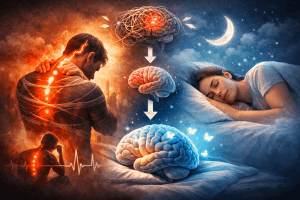
Brain’s Cleaning Crew: How the Glymphatic System Flushes Out Toxins During Sleep
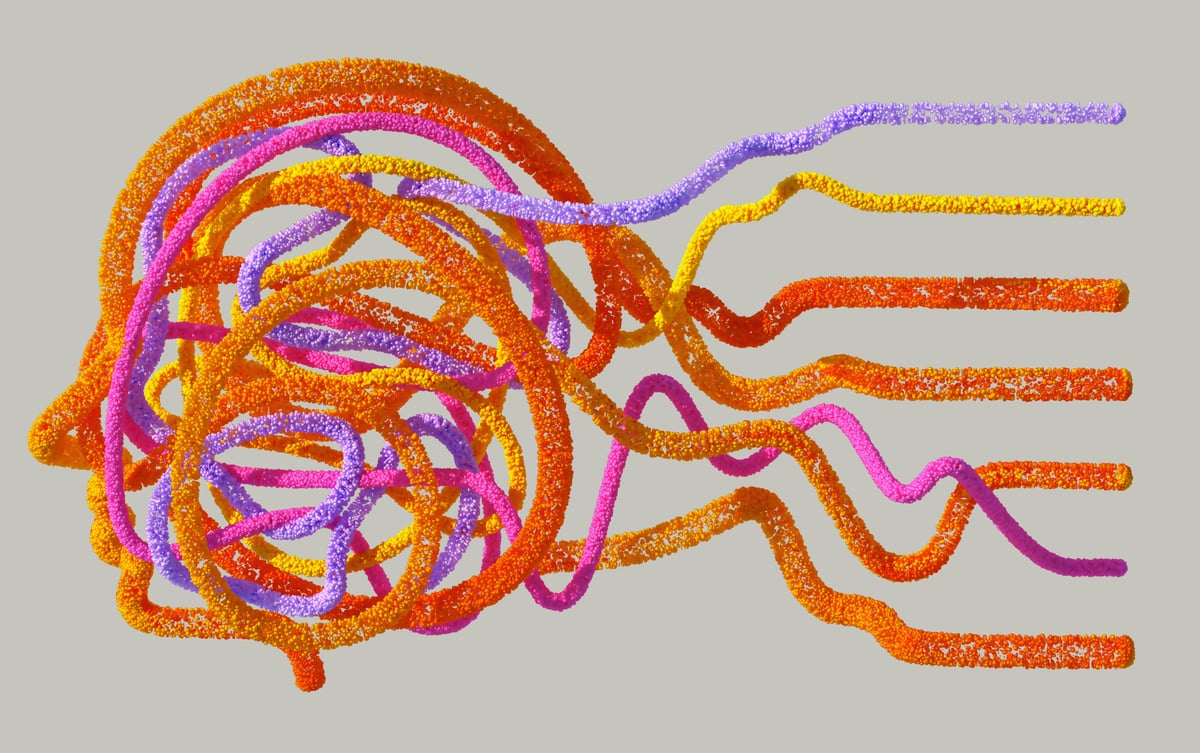
Imagine your brain as a bustling metropolis. Throughout the day, countless “factories” (your neurons) are working around the clock—processing information, forming memories, and solving problems. But like any busy city, all this activity creates waste. If that waste isn’t cleared away, the city becomes congested, noisy, and less efficient. That’s why, every night, a specialized cleaning crew—the glymphatic system—comes to work.
What the Glymphatic System Is and Why It Matters
The glymphatic system is a brain-wide network of channels formed by astroglial cells. Its main job is to flush out waste products from the brain’s interstitial spaces using cerebrospinal fluid (CSF). Unlike the rest of the body, which has a lymphatic system to handle waste removal, the brain relies on this unique setup to maintain a healthy environment for neurons.
Key roles of the glymphatic system include:
-
Clearing harmful proteins like amyloid-β and tau, both linked to Alzheimer’s disease.
-
Regulating brain fluid balance.
-
Supporting nutrient delivery to brain cells.
-
Helping maintain optimal brain performance.
Without a well-functioning glymphatic system, toxins can accumulate, leading to cognitive decline and higher risks of neurodegenerative diseases.
How the Glymphatic System Works
The process can be visualized as a “fluid highway” for the brain:
-
CSF Entry – Cerebrospinal fluid enters the brain along arteries, pushed by arterial pulsations and breathing rhythms.
-
Mixing and Cleaning – Astrocytic water channels (AQP4) allow CSF to mix with interstitial fluid, collecting metabolic waste.
-
Drainage – Waste-filled fluid exits along veins and drains into the body’s lymphatic system.
This fluid exchange is most active during specific stages of sleep, especially deep, slow-wave sleep.
Sleep: The Key to Brain Detox
During slow-wave sleep:
-
The space between brain cells increases by ~60%, allowing easier fluid movement (Xie et al., 2013).
-
Norepinephrine levels drop, reducing “alert mode” and enabling smooth CSF flow.
-
Blood vessels rhythmically contract and relax, pumping cleaning fluid through the brain.
If sleep is fragmented, the glymphatic system doesn’t get enough time in its “high-performance” mode, reducing its efficiency in waste removal.
What Happens During Nightly Brain Cleaning
Think of the glymphatic system as a team of street sweepers. During the day, the streets (neural pathways) are full of traffic, making cleaning inefficient. At night, when you sleep deeply, the streets empty, and the sweepers get to work, removing debris like:
-
Amyloid-β – excess levels linked to Alzheimer’s.
-
Tau proteins – associated with memory loss and dementia.
-
Other metabolic waste from active brain cells.
Research in both animals and humans has shown that impaired waste clearance correlates with cognitive decline, mood disorders, and metabolic problems.
Why the Glymphatic System Affects Overall Health
A healthy glymphatic system influences more than brain function:
-
Memory & Learning – Cleaner neural pathways mean better recall and problem-solving.
-
Mood Stability – Less brain inflammation is linked to reduced anxiety and depression risk.
-
Metabolic Health – Sleep-related detox supports hormonal balance and appetite regulation.
-
Immune Function – Waste clearance also aids the brain’s connection to the body’s immune system via meningeal lymphatic vessels.
Current Research Insights
Scientists are currently exploring:
-
Imaging in humans – Using advanced MRI to track glymphatic activity.
-
Posture effects – Side sleeping may improve clearance.
-
Circadian rhythm impact – Optimal cleaning appears to follow the body’s natural clock.
-
Therapeutics – Targeting aquaporin channels and vascular pulsations to enhance clearance.
Although debates continue about the exact scale of glymphatic activity in humans, the link between quality sleep and brain health is strongly supported.
How to Support Your Glymphatic System
Practical steps include:
-
Prioritizing 7–9 hours of quality sleep.
-
Keeping a consistent sleep schedule.
-
Sleeping in a cool, dark, and quiet room.
-
Avoiding caffeine or alcohol close to bedtime.
-
Supporting spinal alignment and comfort to reduce nighttime awakenings.
The NadaUp Connection
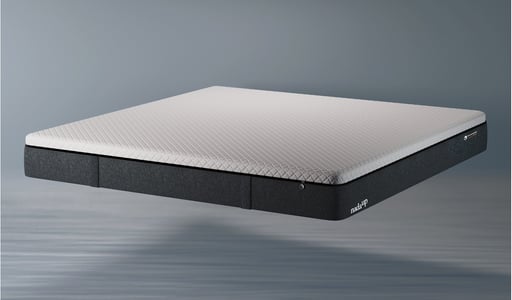
The glymphatic system works best when you stay in deep, uninterrupted sleep for long enough to complete its nightly cleaning cycle. NadaUp mattresses, made with Medical Grade™ foam, are designed to help you achieve exactly that. They minimize motion transfer, relieve pressure points, and regulate temperature—all critical factors for preventing micro-awakenings that can cut short deep sleep phases. By keeping your body comfortable and your sleep stable, NadaUp creates the perfect environment for your brain’s cleaning crew to work at full efficiency—night after night.
References
Boespflug, E. L., et al. (2020). The sleeping brain: harnessing the power of the glymphatic system through lifestyle choices. Brain Sciences, 10(11), 868. https://doi.org/10.3390/brainsci10110868
Gozal, D. (2025). The glymphatic system and sleep: functional relevance for brain homeostasis and beyond. Marshall Journal of Medicine, 11(3). https://doi.org/10.33470/2379-9536.1493
Hauglund, N. L., & Nedergaard, M. (2025). Norepinephrine-mediated slow vasomotion drives glymphatic clearance during sleep. Cell. https://www.cell.com/cell/fulltext/S0092-8674%2824%2901343-6
Iliff, J. J., Wang, M., Liao, Y., et al. (2012). A paravascular pathway facilitates CSF flow through the brain parenchyma and the clearance of interstitial solutes, including amyloid beta. Science Translational Medicine, 4(147), 147ra11.
Lau, L., Nedergaard, M. (2015). The Glymphatic System: A Beginner’s Guide. Neurochemical Research, 40(12), 2583–2599.
Piantino, J., et al. (2024). A peek inside human brain shows a way it cleans out waste. Proceedings of the National Academy of Sciences.
Watkins, K. (2024). The Glymphatic System: Unveiling the Secret Network of Brain Detoxification. Kindle Edition.
Xie, L., Kang, H., Xu, Q., et al. (2013). Sleep drives metabolite clearance from the adult brain. Science, 342(6156), 373–377. https://doi.org/10.1126/science.1241224