
HeartMath is not just relaxation techniques, but a scientifically proven method of synchronizing the heart and brain (coherence). When these two organs work in harmony, the body regenerates faster, stress levels drop, and mental clarity returns. It is a bridge between emotions and physiology that allows you to consciously manage your well-being.
Why does it work?
Faster stress relief
Thanks to HeartMath, your nervous system switches more quickly from “fight or flight” into a state of recovery. Even short sessions during the day help restore calm and regain control over emotions.


Better sleep quality and recovery
A regulated heart rhythm sends a signal of safety to the brain, making it easier to fall asleep and enter deep sleep phases. The result is better recovery, fewer awakenings, and more energy the next day.
Improved focus and resilience
Regular HeartMath practice improves emotional stability and mental flexibility. This makes it easier to stay focused, return to balance more quickly, and handle stressful situations more effectively.

Thanks to HeartMath, you train your body and mind to respond to stress in an organized and conscious way. Not only do sleep quality and recovery improve, but also focus, emotional resilience, and a sense of calm throughout the day. Regular practice creates a lasting effect of physiological and mental balance that supports everyday functioning.

How to use 
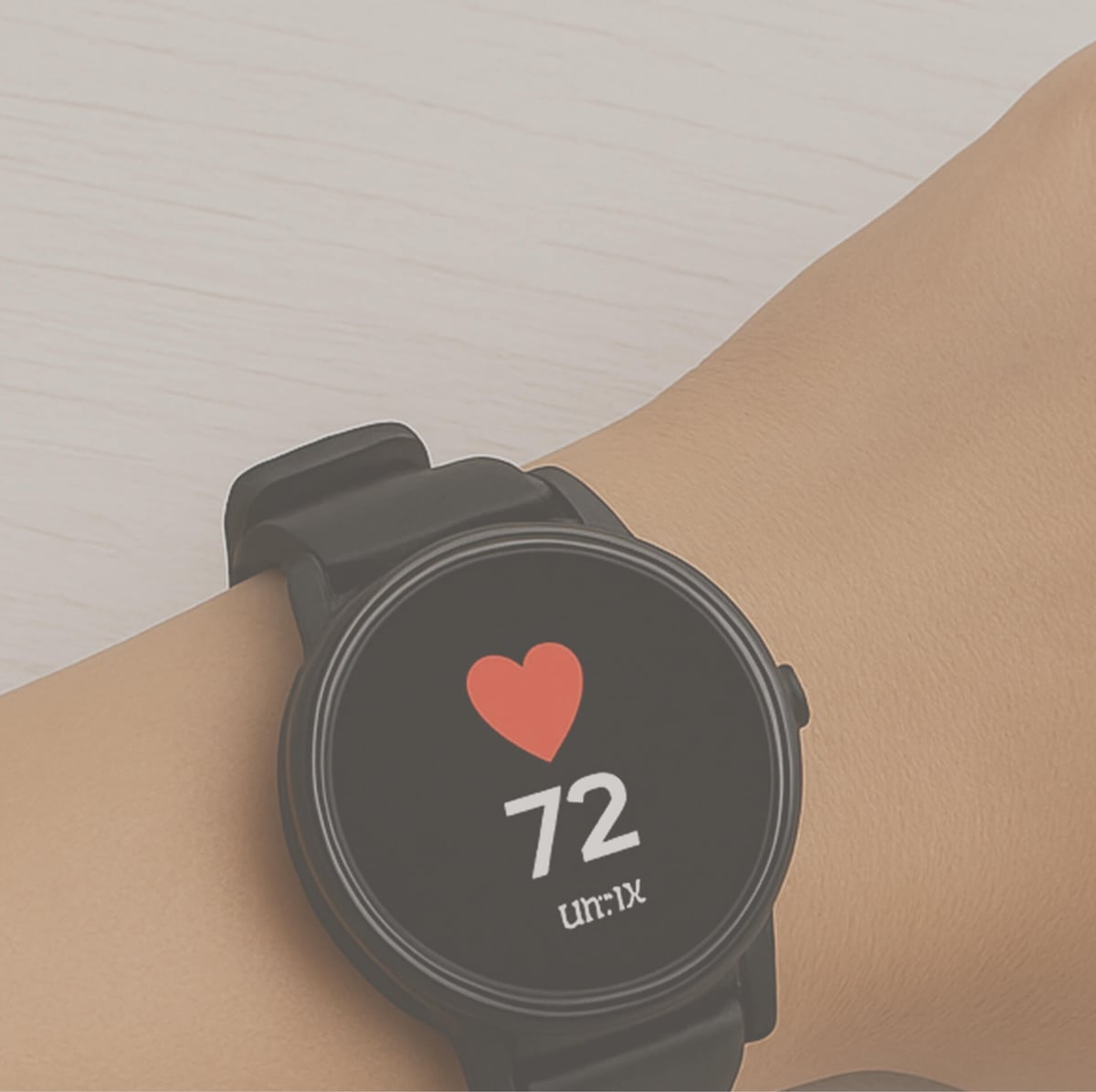
HRV measurement and biofeedback
- Observe your heart rhythm: See in real time how your heart responds to stress and emotions.
- Recognize coherence states: Notice when your heart is working in an orderly rhythm and your mind is calm.
- Track progress: Regular measurements help you see how your ability to regulate emotions improves over time.
Simple breathing and heart coherence
- Breathe at a 0.1 Hz rhythm: 6 breaths per minute (inhale 5s, exhale 5s) synchronizes the heart with the brain.
- Focus on positive emotions: Gratitude, calm, and curiosity instead of fear or frustration.
- Practice regularly: Even a few minutes a day can noticeably improve nervous system balance.
Micro-practices during the day and in the evening
- Short daytime sessions: 2–3 × 3–5 minutes, for example after a stressful meeting or during a break.
- Evening reset: 10–15 minutes before sleep to “clear” the day’s tension on the emotional level.
- Build a habit: Regular practice leads to an automatic return to a balanced state.
Pause. Breathe. Come back to yourself.
HeartMath supports you in building balance between your body and emotions. Use practical tools and products that help you find calm and balance in everyday life.
Click to visit the site and learn more
Select a date for an online consultation, our consultants will give you 100% support for HeartMath products.
A one-hour consultation costs £100.